Monitoring Bird Populations
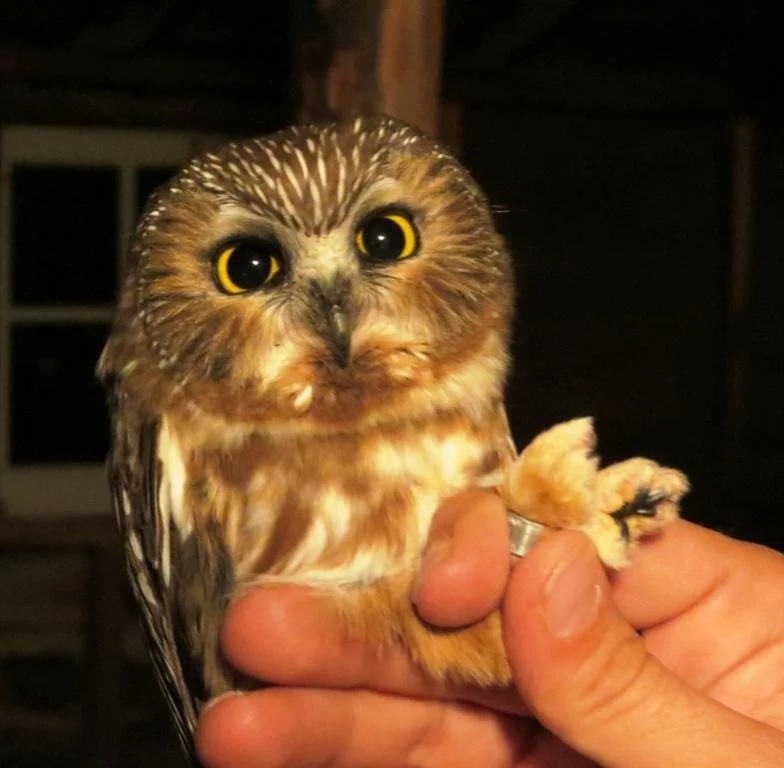
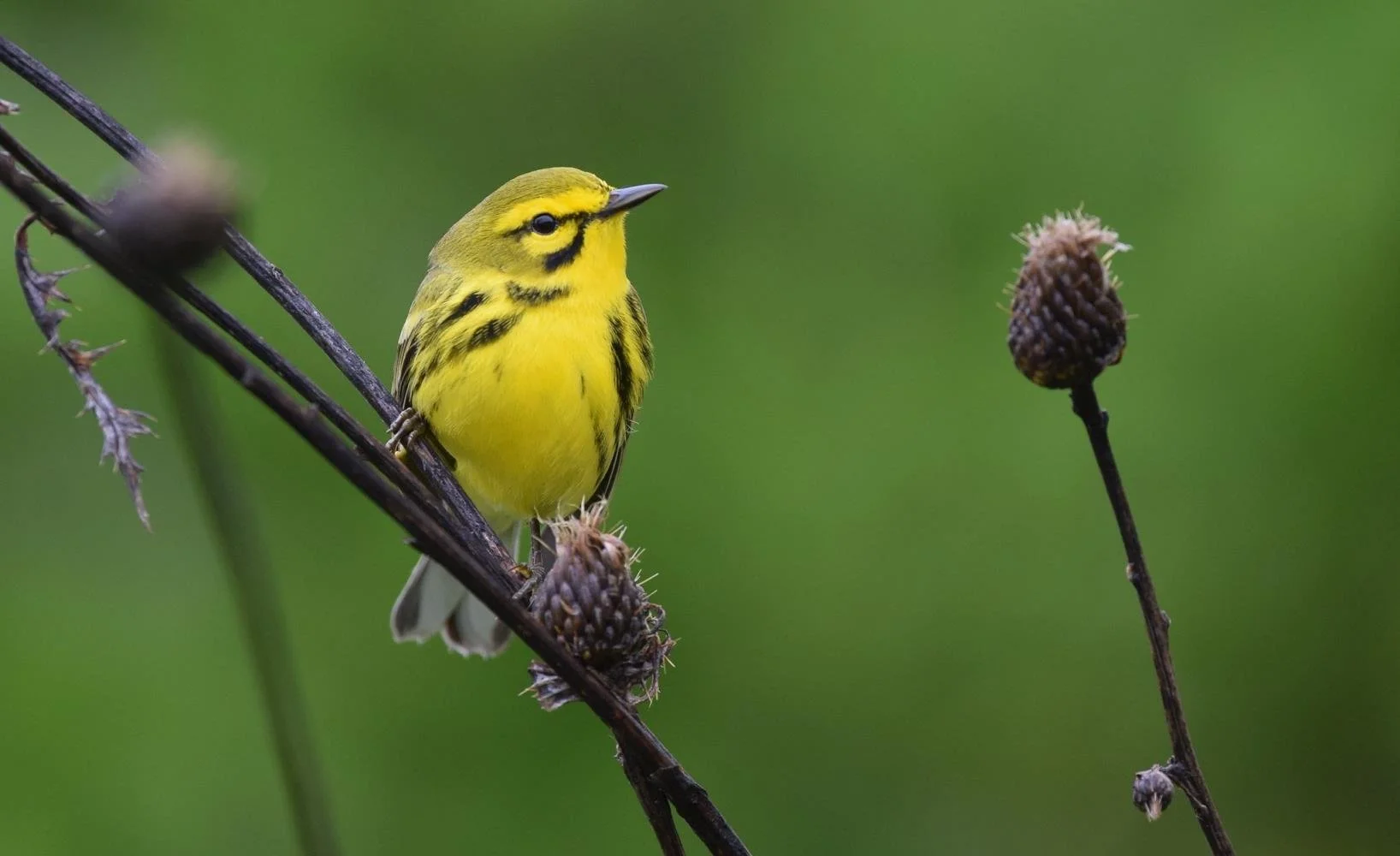
Missouri River Bird Observatory is a science-based organization with much of its energy devoted to monitoring bird populations. Most of work focuses on grassland and wetland birds and we hire seasonal technicians to help with bird surveys and to enter data. This data is analyzed and summarized in our various annual reports and dashboards. We combine this science with another piece of our mission, outreach & education, to help teach community scientists about Missouri's birds. These slides are from our backyard banding program which we operated for several years.
Monitoring Bird Migration
Like many bird observatories, MRBO’s origin was a migration monitoring station. Beginning in 2009, the organization addressed the need for identifying the species and numbers of birds that use the Missouri River corridor as stopover habitat during migration. For five years (2009 – 2013) we operated migration banding stations at Grand Pass Conservation Area and Van Meter State Park, where we studied passerines and shorebirds. These original migration stations resulted in the name “Missouri River” Bird Observatory and helped launch the organization. While many aspects of migration remain a mystery, there is less known about the habitat use and migration pathways of prairie-obligate birds than any other guild. Using spatially explicit (geographically exact) locations of grassland birds during repeat surveys in migration, we are able to determine where and when birds are using habitat.
By the very nature of bird migration, the journey is perilous and tests the limits of endurance. Before migration, birds are capable of storing up to 50% of their body weight in lipids.
They rely upon stopover sites to rebuild these reserves. Stopover habitat is increasingly becoming important for many bird populations in decline due to habitat alteration on wintering grounds and fragmentation throughout their ranges.
In order for land managers to make sound decisions considering multiple landscape scales and diverse taxa, consistent and standardized monitoring efforts throughout species’ life history cycles are needed. Resulting information can inform decisions based on migration timing of various avian species, condition of birds in migration, as well as habitat and habitat management associations of stopover migrants.
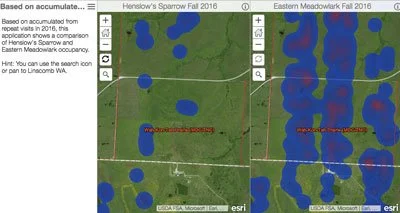
An output of repeat visits - an app that shows comparison of different species use of habitat over time.
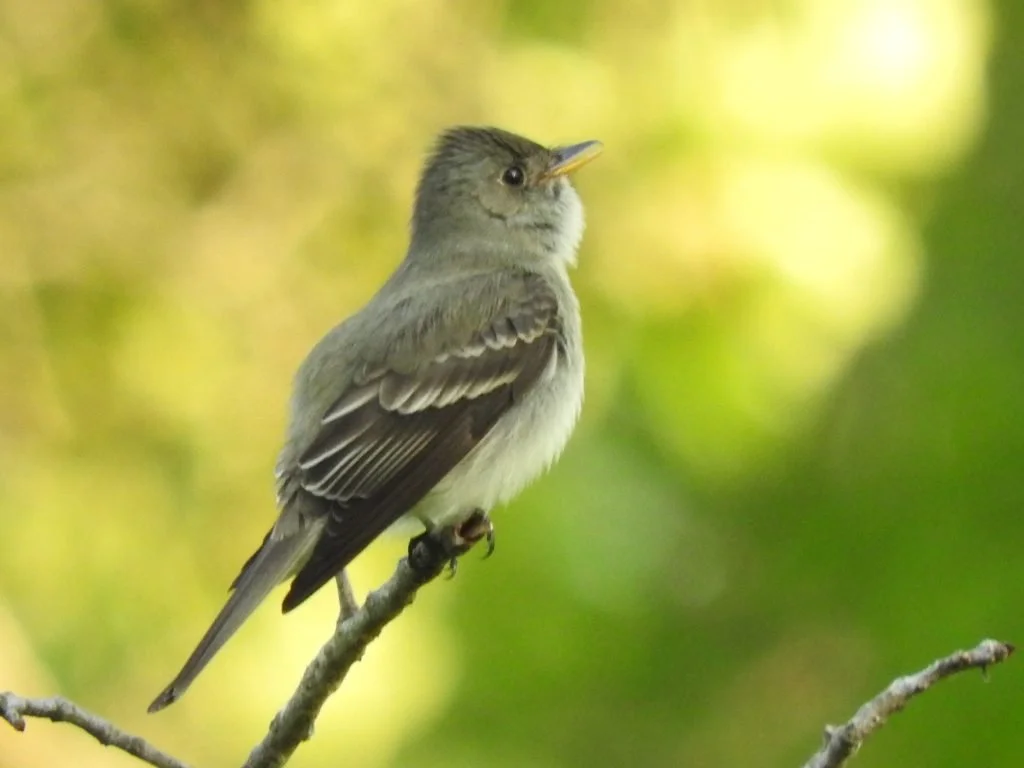
Ozark Forest Birds
Since the forests of the Missouri Ozarks are less imperiled than our grasslands, wetlands and bottomland forests, MRBO does less work there than in other habitats in the state. However, we have been fortunate to work with land stewards at the Missouri Department of Natural Resources to measure bird response to on- going management at St. Joe and Washington State Parks. Just like private landowners and Missouri Department of Conservation area managers, DNR stewards want to make sure that their management actions are having a beneficial effect on the diverse bird communities of Ozark upland forests. MRBO’s surveys at State Parks have consisted of point counts designed to compare managed habitat (for example, forests that have undergone controlled burns) with acreage that has not yet received any treatment. Target bird species include those that are undergoing range-wide declines, such as Wood Thrush, Ovenbird, Kentucky Warbler and Eastern Wood-Pewee.
Northern Saw-Whet Owl Banding
MRBO has been banding Northern Saw-whet Owls in central Missouri since 2010 and in Arrow Rock since 2014. Each fall we welcome visitors to our office on the nights we attempt to catch this small owl during its migration season. Weather fronts are key – we typically do not catch owls on nights when there are south or east winds. Owls are not guaranteed, but there is always good conversation and fellowship among visitors!
As of 2026, this project has been paused. With the goal to have this project back up and running, keep an eye on MRBO’s Facebook page for updates!